Monday, March 1, 2021

RBI for Older Children

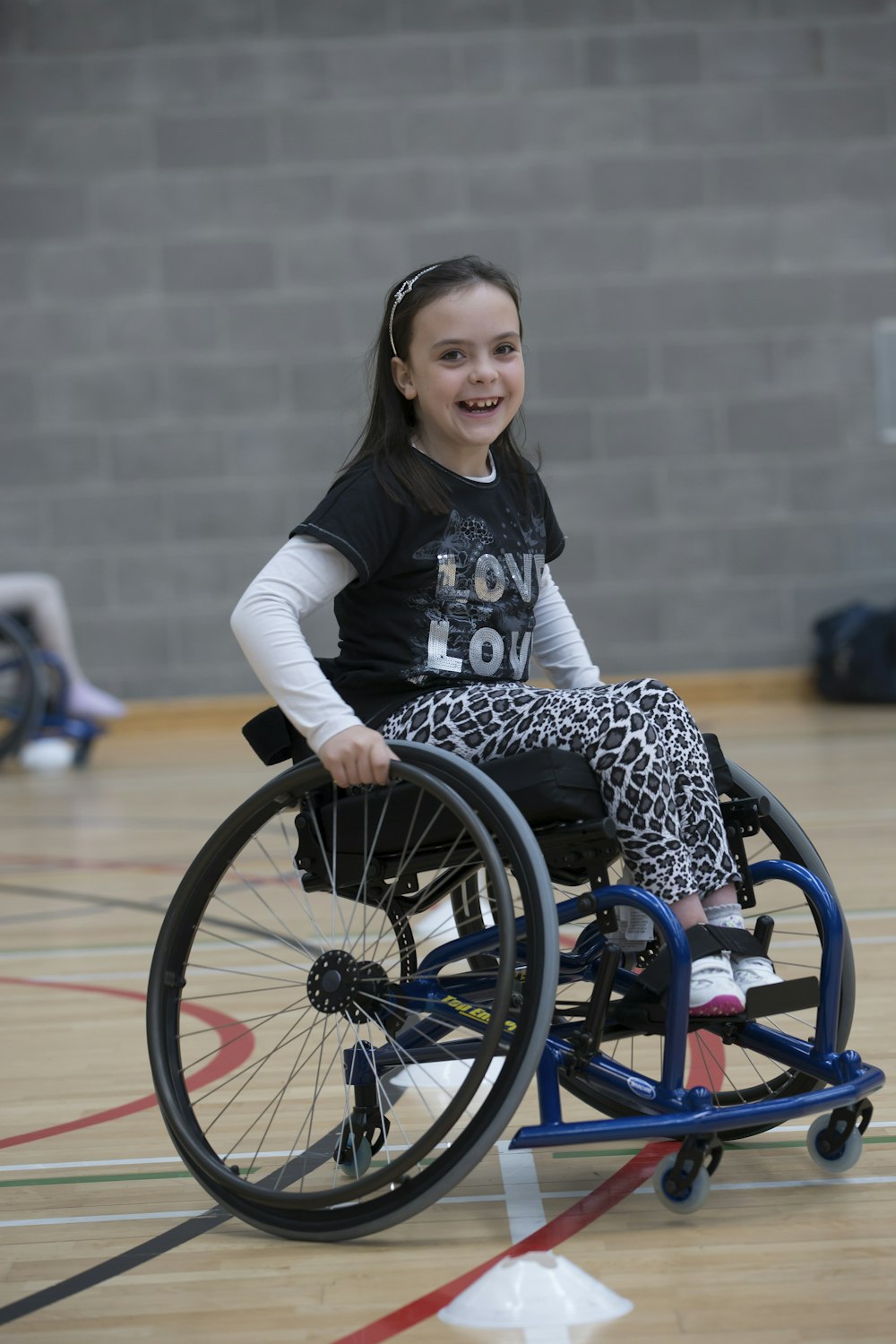
girl in black and white long sleeve shirt sitting on black wheelchair
Unsplash.com


I've been asked quite a bit about the RBI with older kids and adults. It seems important to get information about the child's functioning and participation in school routines, which could be done through a teacher interview or having the teacher complete a questionnaire. If families are concerned about their children's performance in academics (i.e., curriculum), we should point out that a child can only succeed in the classroom to the extent that he or she is engaged, independent, and having social relationships: Right back to the Routines-Based Model! As some brilliant researchers wrote in 1985, a child cannot learn unless a child is engaged. 

 Some parents are less concerned about a child's functioning at home than the child's functioning at school. Fine. We should still interview parents about functioning at home, because the school isn't going to help them with any home routine concerns or family concerns. But we should reassure them we'll find out about needs at school. 

My ideas for that, after consultation with Cami Stevenson, are 

• Interview the teacher about (a) academic routines, (b) free-time routines, (c) outside routines, and (d) mealtime routines. 

• Modify the STARE by labeling the routines with lessons as well as nonlesson routines and have the teacher do occasional STAREs on the child. 

• Create a new Routine x EISR questionnaire for the teacher to complete on the child. 

• Modify the VECTOR with lessons and nonlessons. 

BTW, our Spanish implementers, Catalina Morales Murillo and colleagues, have crosswalked the Classroom Measure of Engagement, Independence, and Social Relationships (ClaMEISR) with the International Classification of Functioning for Children and Youth (ICF-CY). 

 I understand the increasing interest in academics with older children but keep returning to the fact that, with kids with disabilities, we need to ensure they are engaged, independent, and having social relationships, if they are to succeed academically.

Thursday, February 25, 2021

More Direct Service Is Not Better: A Script


Need

Professionals feel pressure from families or other professionals to provide more direct, hands-on therapy than they currently provide. The Routines-Based Model actually promotes hands-on only for demonstration. How do we explain this?

Script

woman and a baby sitting on the ground
Unsplash.com

  • Children benefit from the most intervention they can receive.
  • Who’s available to provide this intervention? Not weekly visitors. Instead, regular caregivers (e.g., adults in the family, teachers).
  • Professionals therefore spend their precious weekly visits empowering caregivers with techniques they have acquired through their specialized training.
  • The more professionals that families work with, the lower their family quality of life, so we use a primary service provider.
  • We change primary service provider only when absolutely necessary (research shows the longer a family works with a provider, the more family centered the family perceives the service to be).
  • When the primary service provider needs help, he or she gets help from team members with the relevant expertise.
  • The primary service provider attends to all the child’s needs and the family’s needs, ensuring nothing falls between the cracks like it does in traditional multidisciplinary service delivery (different professionals visiting the caregiver regularly).
  • We don’t pile on services to address each need. We add joint home visits (“consults”) when primary service providers and caregivers have questions needing extra expertise.
  • Professionals use collaborative consultation to fit their expertise into caregivers’ routines; they don’t push their methods into caregivers’ lives.
  • Caregivers now have the capacity to provide intervention to children throughout their awake time all through the week, so, children receive maximal learning opportunities.
  • Increasing direct, hands-on therapy would not necessarily increase this intervention time; in fact, it would decrease it, because the family would think intervention occurred one hour a week instead of the 98 hours a week when they or other natural caregivers are with the child.
  • We use this primary service provider, functional, family-centered approach because a professional should attend to the whole child and family in naturally occurring routines in life.
  • Caregivers now have the capacity to provide intervention to children throughout their awake time all through the week, so, children receive maximal learning opportunities.
    Unsplash.com

Thursday, November 19, 2020

Trabajar con familias de niños con discapacidad durante el confinamiento COVID-19


Read, in Spanish, about working with families with children with disabilities during the COVID-19 confinement.